
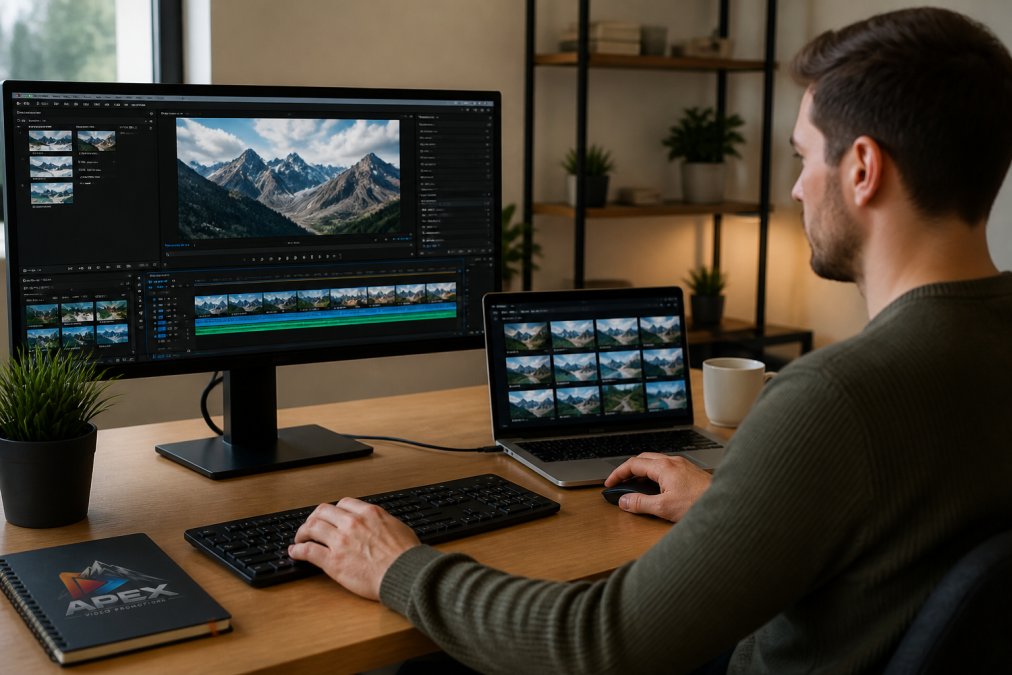
 comparison
Is AI Generated Video Worth It for Small Business? 2026 Review
Table of Contents
- The Verdict: When AI Generated Video Makes Sense for Small Business
- The Difference Between AI Video and Traditional Production
- Best AI Video Tools for Small Business: A Practical Comparison
- The Cost of Traditional Video Production vs AI
- Quality and Conversion: Does AI Generated Video Actually Work?
- Common Limitations and What to Watch For
- Legal and Brand Considerations for AI Video in the UK
- Conclusion
- Frequently Asked Questions
Last Updated: September 25, 2026
The Verdict: When AI Generated Video Makes Sense for Small Business
For most small service businesses, AI generated video is worth it. It removes the two biggest barriers that stop small firms from using video at all: the cost of a film crew and the weeks lost to scheduling a shoot. At Apex Video Promotions, we produce promotional video this way, helping businesses that could never justify a traditional production now have video on their homepage, in their ads and across their social channels.
The catch is that "AI video" covers several very different products. Some are avatar led explainer tools. Some repurpose existing footage. Some, like the service we run, pair generative tools with human scriptwriting, editing and creative direction.
Below, we break down where AI video wins, where it falls short, and which tools suit which job.
The Difference Between AI Video and Traditional Production
The core difference is that traditional production captures reality with a camera, while AI video production generates or assembles the visuals digitally. That changes the cost base, the timeline and the creative options, but not the marketing goal.

What Traditional Production Involves
A conventional shoot needs a location, a crew, talent, lighting, sound and a shoot day. Then comes editing, colour grading, sound design and revisions. Each stage adds cost and each stage adds waiting time.
The disruption matters as much as the money. A shoot day closes your premises, pulls your team away from paying work and depends on everyone performing on camera. For a locksmith, a clinic or a two person agency, that is a hard trade to justify.
How AI Video Production Works Instead
AI video production is the process of creating promotional video using generative tools for visuals and voiceover, combined with human creative direction, scripting and editing. There is no filming day and no crew.
The workflow is short. You supply a brief, your website or existing marketing material. A concept comes back, often within 24 hours. Once approved, the video is built, edited and delivered. Turnaround is typically around two weeks, and nothing is charged until the concept is signed off.
Best AI Video Tools for Small Business: A Practical Comparison
The best AI video tool depends on the job, not the feature list. Avatar tools suit training and explainers. Repurposing tools suit content teams. Editing suites suit social media. Full production services suit businesses that need a finished promotional asset without touching the software themselves.
Quick Comparison Table
| Tool | Starting Price | Free Tier | Best For |
|---|---|---|---|
| Apex Video Promotions | Quote on request | No | Done for you promotional video |
| Synthesia | £18/month | No | Training and internal comms |
| HeyGen | £23/month | Yes | Personalised outreach |
| Pictory | £15/month | Yes | Repurposing long form content |
| CapCut | £7.99/month | Yes | Short form social clips |
Where Each Tool Fits
Apex Video Promotions is our own service and the one we would recommend to any small business that wants a finished promotional video rather than another subscription to manage. You brief us, we write the script, direct the creative and deliver the edit. There is no filming, no crew and no software to learn. The trade off is that you are buying an outcome, not a tool, so it suits businesses with a clear marketing goal rather than teams who want to tinker.
Synthesia produces polished avatar led videos and is genuinely strong for training material and product explainers. The avatars still lack natural human nuance, which shows in customer facing promotional work.
HeyGen handles personalised outreach well, with strong lip sync and useful automation integrations. Its credit system gets expensive at volume.
Pictory is the fastest route from a webinar or blog post to short clips. It offers limited control over complex animation.
CapCut is the easiest entry point for social content and costs the least. Its AI features are basic compared with dedicated platforms.
The Cost of Traditional Video Production vs AI
AI video production can be a more cost effective alternative to traditional production because it removes the shoot day, the crew, the location and the talent.
Comparing the two is not really about the invoice. A traditional production locks in a large upfront commitment before you have seen anything. With an AI led process, the concept comes first and you approve it before production begins, so the risk sits with the supplier rather than you.
Traditional agencies also tend to charge for time: shoot days, edit days, revision rounds. AI production charges for output. For a small business running a tight marketing budget, that shift can be a significant benefit.
Quality and Conversion: Does AI Generated Video Actually Work?
Quality is the honest sticking point. AI generated video works when the script, structure and edit are strong. It fails when someone feeds a paragraph into a tool and uploads the raw result.
What separates the two is human input. A promotional video converts because it opens with the customer's problem, shows the outcome and gives a clear next step. That is copywriting and editing, not generation. The AI handles the visuals and voiceover; the strategy still has to come from a person.
Buyers do not convert because a clip looks expensive. They convert because it answers a question fast and makes the next step obvious.
Common Limitations and What to Watch For
AI video has real limits, and knowing them saves you money.
- Avatar realism. AI presenters still miss small human cues. Fine for internal content, weaker for brand led promotion.
- Generic footage. Stock style visuals can make every business look the same if the creative direction is lazy.
- Credit based pricing. Several tools charge per minute or per credit, so costs climb with volume.
- Revision friction. Some platforms make small text or voice changes slow, which matters if your offer changes often.
- No strategy included. A tool will not tell you what your video should say. That is still your job, or your supplier's.
The practical answer is to match the tool to the job. Use a subscription platform for internal and social content. Use a production service for the video that sits on your homepage and carries your ad spend.
Legal and Brand Considerations for AI Video in the UK
Two areas need attention before you publish: data protection and advertising standards.
If your video uses AI avatars, cloned voices or a real person's likeness, you are processing personal data. The Information Commissioner's Office guidance on AI and data protection sets out how that data should be handled, including consent and transparency. If you clone a customer's voice or face, get written permission and keep a record of it.
Advertising claims fall under the Committee of Advertising Practice Code. The rules that apply to a filmed advert apply to a generated one. Do not imply a result you cannot evidence, and do not present an AI presenter as a real member of staff if that would mislead.
It is also worth checking the licence terms of any AI platform you use. Some restrict commercial use of generated assets on lower tiers. Read the terms before you build a campaign around them.
Conclusion
The real question is whether you have a script worth filming and a process that gets you to a finished edit without a shoot day.
That is the gap Apex Video Promotions was built to close.
Frequently Asked Questions
What are the main limitations of AI video generators for business?
AI video tools can struggle with complex storytelling, subtle emotional nuance and highly specific brand visuals. Avatars may lack natural human expression, and generic templates can make videos look similar across businesses. For service industries with unique visual requirements, human creative direction still matters. The strongest results come from combining AI efficiency with human scripting, editing and brand oversight.
How does the cost of traditional video production vs AI compare?
Traditional production involves film crews, equipment hire, location fees, talent, editing suites and multiple review rounds. AI video production removes filming days entirely. You provide a brief or existing website content, and the video is built using AI generated visuals, voice and editing. Pricing depends on scope and delivery, so request a quote for your specific project.
Can AI generated video maintain brand consistency?
Yes, when the production process includes human creative direction. Brand colours, tone of voice, logo placement and messaging can all be controlled. The risk with self-serve AI tools is that templates override brand identity. A managed AI video service builds brand guidelines into every frame, so the finished video looks like it belongs to your business rather than a stock library.
Do AI video tools require professional editing skills?
Self-serve tools like CapCut and Pictory are designed for beginners and require minimal editing knowledge. However, producing a polished promotional video that converts visitors into customers still benefits from professional scripting, pacing and marketing expertise. Many small businesses find that outsourcing to a managed AI video service saves time and delivers a stronger result than learning editing software from scratch.
What are the legal considerations for using AI generated content in the UK?
UK businesses using AI generated video should ensure they have rights to any source material, including images, music and voice likenesses. Data protection rules under UK GDPR apply if personal data is processed. Advertising must remain compliant with CAP Code standards on misleading claims. Using a production partner that handles licensing and compliance removes much of this risk.