 blog
blog
AI Video vs Traditional Production: What's the Difference?
Table of Contents
- How Traditional Video Production Works
- How AI Video Generation Works
- The Cost of Professional Video Production: AI vs Traditional
- Key Benefits of AI Video for Business
- AI Video Generation Tools for Marketing Teams
- Where Traditional Production Still Wins
- Choosing the Right Approach for Your Business
- Frequently Asked Questions
Last Updated: September 11, 2026
How Traditional Video Production Works
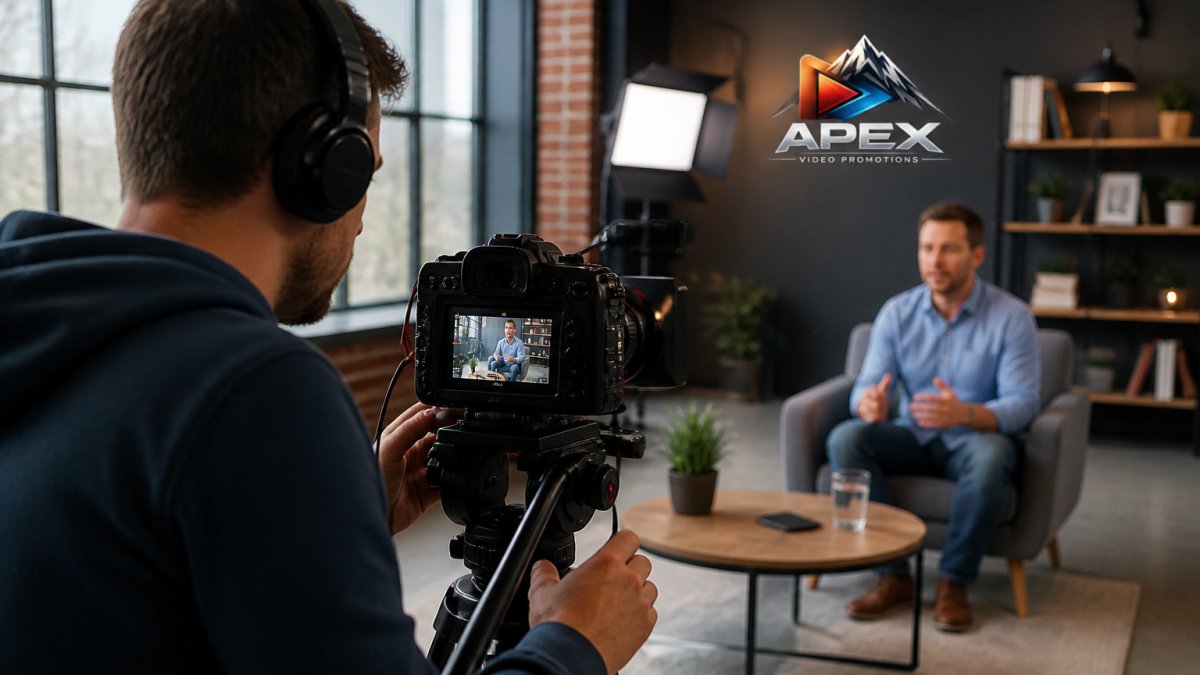
Traditional video production is the process of capturing live action footage with cameras, lighting and sound equipment before editing it into a finished film (britannica.com). It relies on real people, real locations and physical equipment on the day of the shoot.
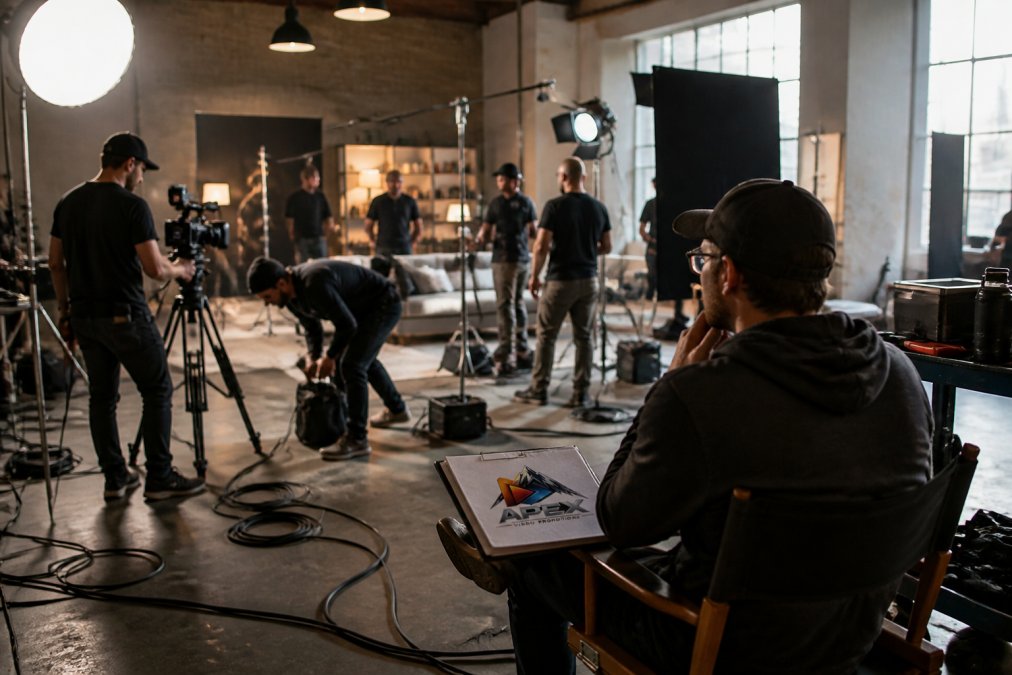
The process usually begins with a brief, followed by scriptwriting and storyboarding. A location is booked, a crew is hired and a filming date is set. On the day, the footage is captured, then moved into post production for editing, colour grading and sound design.
The defining feature is that everything depends on the shoot itself. Weather, illness, equipment faults or a key contributor pulling out can all push the schedule back. Reshoots mean reassembling the same crew at the same location, which is why traditional projects rarely finish early. A common mistake is approving a script before the shoot date is locked in, which leaves no room to fix problems on set.
The Traditional Production Timeline
A typical traditional project runs through several fixed stages, and each one depends on the last (edu).
| Stage | Typical Duration | What Happens |
|---|---|---|
| Brief and script | 1 to 2 weeks | Objectives agreed, script drafted and approved |
| Pre production | 1 to 2 weeks | Crew, location, talent and equipment booked |
| Filming day | 1 to 3 days | Footage captured on location or in studio |
| Post production | 2 to 4 weeks | Editing, colour grading, sound and revisions |
Most projects take several weeks from brief to final delivery. Client feedback sits between each stage, so a single delayed approval can add days to the whole schedule.
How AI Video Generation Works
AI video generation is the process of producing video content using generative software that creates footage, imagery and voice from a written brief rather than a camera (ibm.com). Nothing is filmed, so there is no crew, no location and no shoot day.
A production team writes a script and defines the visual style, then the AI generates scenes, product shots, backgrounds and narration. A human editor then assembles those assets into a finished video, adds branding, captions and music, and refines pacing until the message lands. The technology handles the raw creation; the creative judgement still comes from people.
This is where the real difference between AI video and traditional production shows up. Traditional work captures what exists. AI video builds what the brief describes, which means a concept can be revised in hours rather than reshot over weeks.
The AI Video Production Workflow
The AI video production workflow is shorter and more iterative than a traditional shoot, because nothing needs to be physically arranged.
- Brief and script. You supply your website, product details or marketing material, and a script is written around your objectives.
- Concept and style. Visual direction is agreed, including tone, colour and pacing.
- Asset generation. AI produces scenes, imagery and voiceover based on the approved script.
- Human editing. An editor assembles the assets, adds branding and captions, and tightens the cut.
- Review and delivery. You give feedback, revisions are made, and the final file is delivered.
The Cost of Professional Video Production: AI vs Traditional
The cost of professional video production depends far more on the method than on the length of the finished video. Traditional pricing reflects people and time: crew day rates, equipment hire, location fees, talent, travel and editing hours all stack up, and each reshoot adds more.
AI production removes most of those physical costs. There is no crew to hire, no location to book and no shoot day to insure. Pricing instead reflects scriptwriting, creative direction, generation and editing time. Because concepts can be revised without reshooting, changes cost time rather than a second production day.
Exact figures vary widely by provider, scope and number of videos, so it is worth requesting a quote against your specific brief rather than working from a generic estimate. For businesses weighing up a single campaign video against a steady stream of social content, the gap usually widens with volume.
Key Benefits of AI Video for Business
The benefits of AI video for business come down to speed, cost control and creative range. A concept can be developed quickly, often within a day, and revised without booking a crew or waiting for a studio slot.
For service businesses, the practical gains matter more than the technology:
- No disruption. Nothing to schedule around, no premises to clear and no staff taken off the job for a filming day.
- Faster turnaround. Projects move from brief to delivery in a fraction of the traditional timeline.
- Easy updates. Change a price, a service or a seasonal offer by regenerating the relevant scene rather than reshooting.
- Consistent output. The same visual style can be applied across a website, ad campaign and social channels.
- Lower risk. You approve the concept before the bulk of the work is done, so there is less chance of paying for something you cannot use.
For a locksmith, a plumbing firm or a consultancy, this matters because the video still needs to look credible. AI production handles the polish; you supply the expertise and the message.
AI Video Generation Tools for Marketing Teams
AI video generation tools for marketing have moved from novelty to practical production software. Most platforms handle text to video, image to video, voiceover and avatar generation, and the better ones give editors enough control to match a brand's existing look.
The real distinction is not the tool but the process around it. A marketing team using a self serve platform still has to write the script, direct the visuals, edit the cut and check the result against brand guidelines. That is a significant amount of skilled work, and it is where in house attempts usually stall.
This is the gap Apex Video Promotions fills. The service combines AI generated video, imagery and voice with human led creative direction, scriptwriting and editing, so the technology is handled by people who do it every day. Clients provide a brief or existing website content, and the team returns a polished promotional video. Concepts are often developed within 24 hours, and there is no cost until the concept is approved.
Where Traditional Production Still Wins
Traditional production remains the better choice when the footage itself is the point. If your message depends on showing a real person, a real premise or a genuine customer reaction, a camera still does that best.
Cases where filming holds the advantage:
- Documentary style storytelling where authenticity is the whole appeal.
- Live events and interviews that cannot be recreated convincingly.
- Products requiring precise physical demonstration where texture, scale and handling must be exact.
- Brands built on a named face where the audience expects to see the actual person.
There is also a trust factor. Some audiences respond more strongly to footage they know was filmed on site, particularly in sectors where proof of real work matters. The honest position is that neither method wins outright. The right choice depends on what the video has to prove.
Choosing the Right Approach for Your Business
Choosing between the two comes down to what the video needs to achieve and what constraints you are working within. Use the following as a quick decision guide.
| If your priority is... | Choose | Because |
|---|---|---|
| Fast turnaround for a campaign launch | AI production | Concepts develop quickly with no shoot to schedule |
| Tight budget with multiple videos needed | AI production | No crew, location or talent costs to absorb |
| Showing a real person or premises | Traditional | Cameras capture what genuinely exists |
| Frequent updates to offers or pricing | AI production | Scenes can be regenerated without a reshoot |
| Live event or interview footage | Traditional | The moment cannot be recreated later |
For most service businesses and marketing teams producing promotional content, AI production covers the requirement faster and at lower risk. Where authenticity of real footage is central to the message, traditional filming still earns its place.
If you are unsure, start with the objective rather than the method. Ask what the video must prove, who will watch it and how often it will need updating. That answer usually makes the choice obvious.
Frequently Asked Questions
Is AI video production cheaper than traditional filming?
Yes, AI video production typically costs significantly less than traditional filming. Traditional shoots involve camera crews, equipment hire, location fees, actors and editing teams, all of which add up quickly. AI video generation removes most of these overheads because there is no filming day. For businesses with a tight marketing budget, this can mean professional promotional video becomes accessible without the large upfront spend. Pricing depends on the scope of your project, so it is best to request a quote based on your specific requirements.
What are the main limitations of using AI for promotional videos?
AI video works best for product showcases, service explainers and social media content where you do not need specific real people or locations on camera. If your video relies on genuine customer testimonials, live demonstrations or footage of a real premise, traditional filming still has the edge. AI also requires strong creative direction to avoid generic results. The most effective approach combines AI generation with human scriptwriting and editing, which keeps the output tailored rather than templated.
How does the production timeline differ between AI and traditional methods?
Traditional video production often takes several weeks from brief to final delivery because of scheduling, filming days, reshoots and editing rounds. AI video production compresses this significantly. A concept can be developed within 24 hours, and a finished video is often ready in around two weeks. That speed matters when you have a product launch, campaign deadline or website update approaching and cannot wait a month for a film crew to be available.
Are there copyright considerations for AI generated video content?
Yes. Under UK law, copyright protection for computer generated works is addressed in the Copyright, Designs and Patents Act 1988, which recognises computer generated works differently from works with a human author. When using AI video generation tools for marketing, check the terms of the platform you use and confirm you have the rights to any assets, music or voice content included. Working with a production partner that handles licensing on your behalf removes much of this uncertainty.
The real challenge is not deciding whether AI video is capable, it is finding a production partner who combines the technology with the creative judgement to make it convert. Apex Video Promotions handles both, with AI powered production guided by human scriptwriting and editing, no filming days required, and no cost until you approve the concept. Get started with Apex Video Promotions and turn your website content into video that attracts attention and converts visitors into customers.